Making Families Feel Comfortable in Front of the Camera
Getting families to relax in front of the camera isn't about fancy tricks or complicated setups. It's about creating an environment where people feel safe being themselves. When families trust you, the photos tell the real story — genuine smiles, real connections, moments that matter.
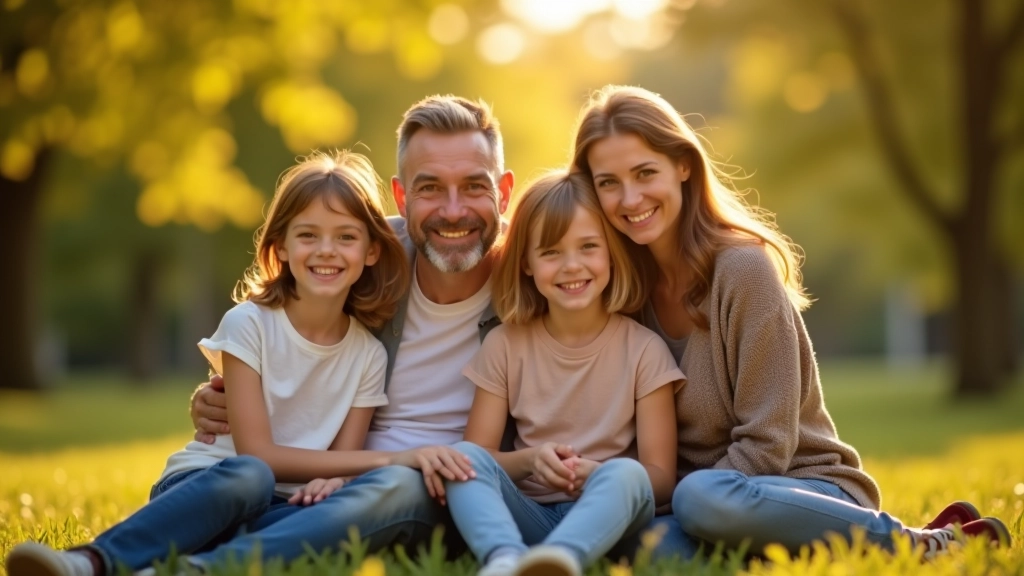
There's a reason some photographers get natural, relaxed shots while others end up with stiff, awkward poses. The difference isn't the camera or lighting setup — it's how they make families feel before the shutter ever opens. We've learned through years of shooting that comfort is everything. Families who feel at ease in front of the camera aren't thinking about their appearance or worrying about whether they're doing it right. They're laughing, connecting, being themselves.
In this guide, we'll walk through the specific techniques that work. These aren't complicated theories. They're practical approaches you can use immediately in your next session — from the moment families arrive to the final shot.
Start Before the Session Even Begins
The foundation of comfort is set long before families arrive. When you communicate with them beforehand — via email, phone call, or even a quick video message — you're already building trust. Families appreciate knowing what to expect.
Tell them specifically what'll happen. "We'll start with some informal shots while you're just walking around and chatting. Then we'll do a few posed moments together. The whole thing takes about 90 minutes." That clarity removes anxiety. They're not wondering if they'll have to stand in weird positions for hours or if they need to get professional hair done.
Share a quick style guide too. "Wear soft colors, avoid busy patterns, and bring a change of outfit if you'd like variety." Simple guidance like this gives families confidence they're making the right choices. It's not about rigid rules — it's about helping them prepare.
Pro tip: Send families a 2-3 minute video of your last session (with permission). Seeing actual families relaxing and having fun in your sessions does more to ease nerves than any written description.
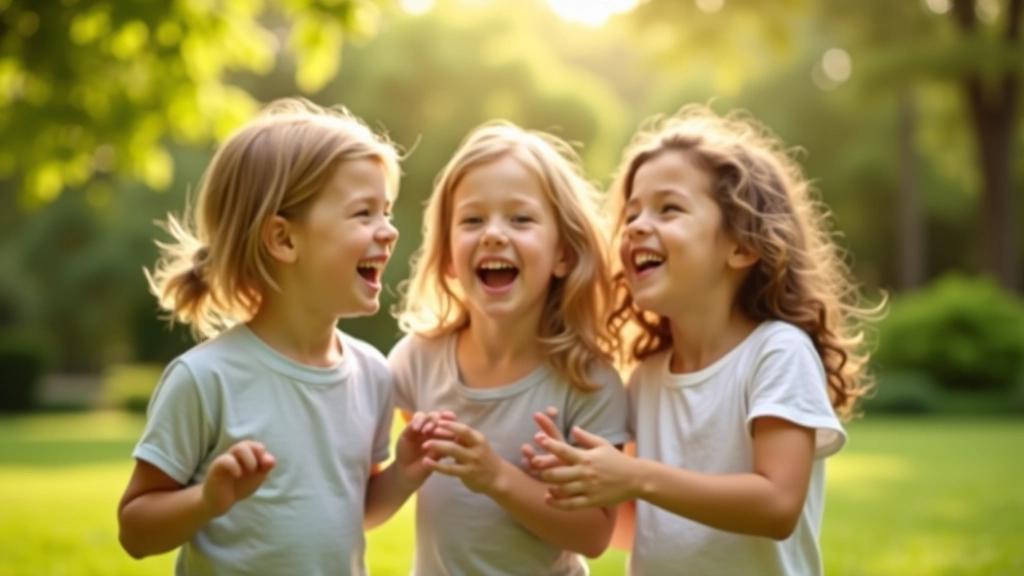
The Power of Conversation During Shooting
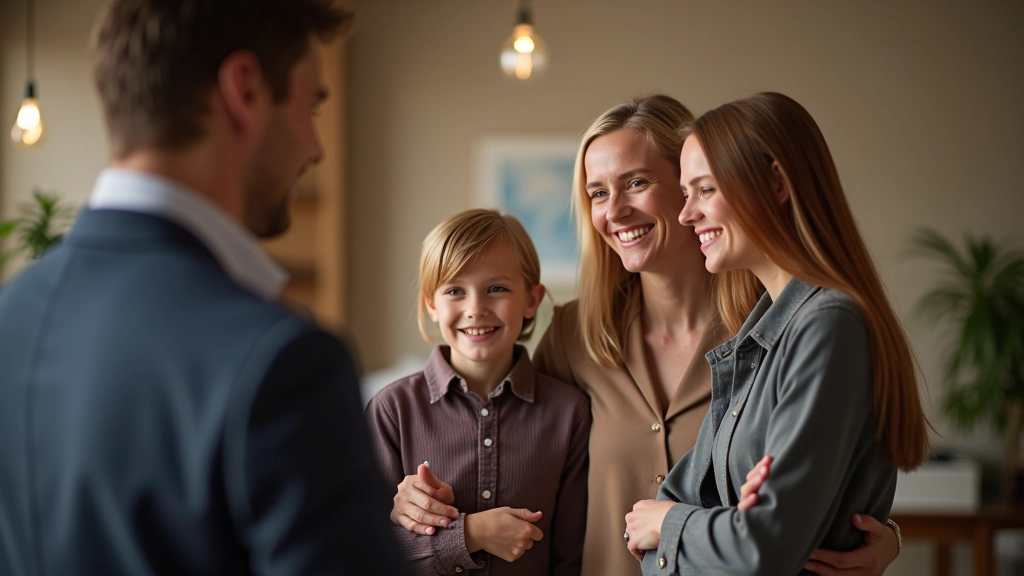
Once you're shooting, your role shifts from photographer to director to conversationalist. Families relax when you're engaging with them. Not in a forced, overly-cheerful way. Just genuine interaction.
Ask them about their kids' interests, their favorite things to do together, what makes them laugh. While they're answering, you're capturing real expressions. A 7-year-old's genuine grin when talking about his soccer team beats any posed smile you could direct. The parents' eyes light up when sharing memories. That's the stuff.
Keep talking even during the setup. "Stand here. Your son on your left. Now just hang out for a second while I check the light." Fill the silence. A quiet photographer can feel intimidating. A photographer who's cracking jokes or asking real questions? That's someone the family trusts.
Also be honest about what you're doing. "I'm going to move in closer now — don't let that make you tense up." When families understand the process, they're not caught off guard by the lens suddenly inches from their face.
About This Guide
This article provides educational information about family photography techniques and best practices. Every family and situation is unique — what works for one group might need adjustment for another. These are approaches we've found effective over years of experience, shared to help you develop your own methods. Your personal experience and intuition matter just as much as any technique described here.
Managing Posing Without It Feeling Stiff
This is where a lot of photographers lose families. Over-complicated posing directions feel rigid. "Put your right hand on your hip and angle your left shoulder toward the camera" — that's not a family moment, that's a geometry lesson.
Instead, give simple anchors. "Dad, stand here. Mom, come next to him. Kids, sit down in front." Then adjust from there. A hand here, a small shift of weight there. Keep talking the whole time so they don't get trapped in their heads thinking about their bodies.
One technique that works surprisingly well: have them do something small. "Look at each other for a moment. Now look at me. Now back to each other." That creates natural movement and real expressions instead of a static pose. Movement captures emotion better than stillness ever will.
Also remember that what feels comfortable to families is often better than what feels "perfectly posed" to you. If a mom wants to sit on her daughter's lap, and they're both smiling, that's your shot. Don't interrupt it to restructure into something "better."
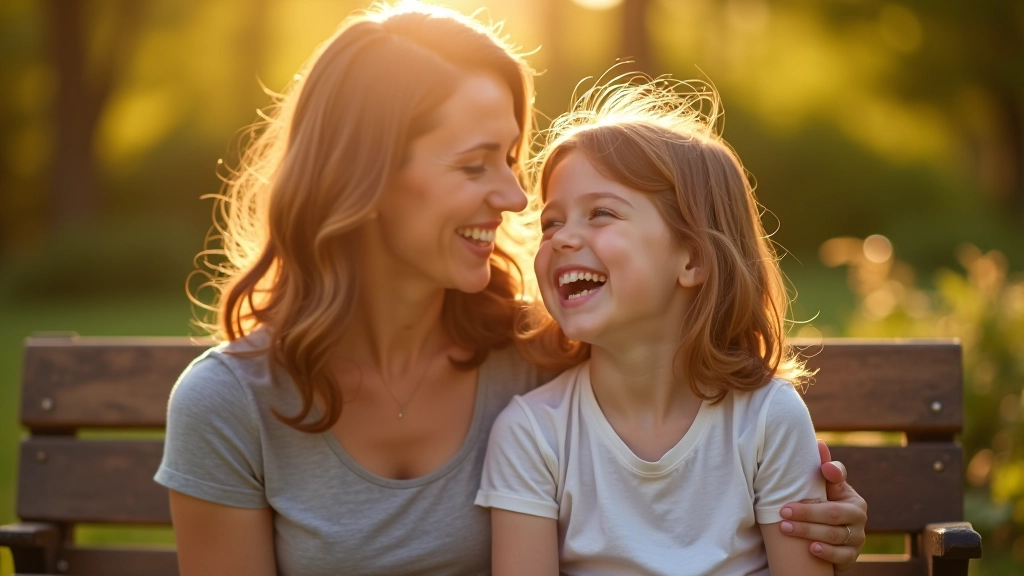
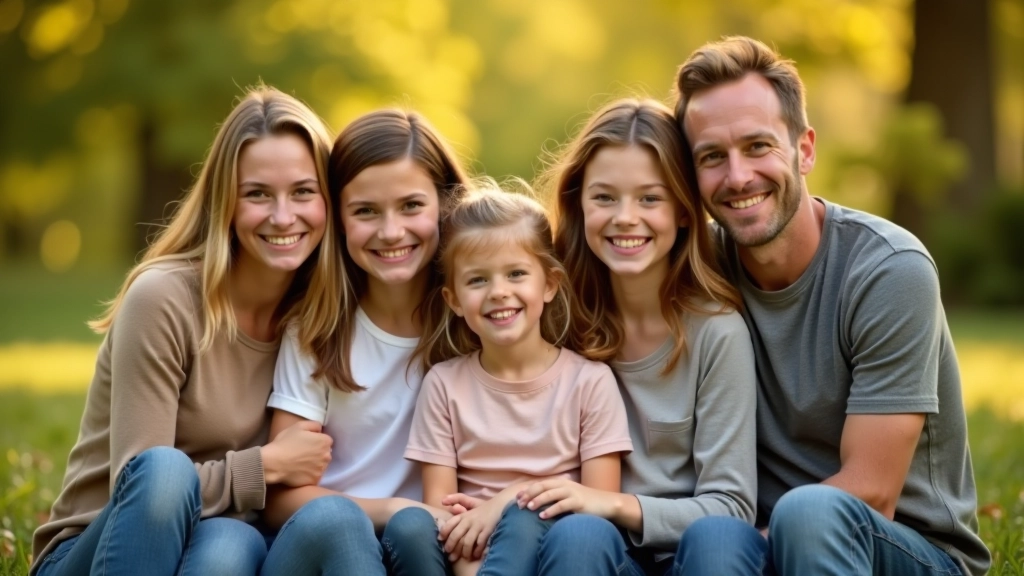
Reading the Room and Adjusting
Sometimes families come in stressed. Maybe they had a difficult drive, the kids are tired, or someone's just in a bad mood. Don't ignore it. Acknowledge it. "I can see the day's been a lot. Let's take five minutes, grab some water, let the kids run around." A family that's been given permission to breathe is a family that'll show up for you in the photos.
Watch for signs of fatigue too. If smiles are getting forced, if people are standing stiffly, if someone's fidgeting constantly — you've probably been at it long enough. Wrap up that segment, do something different, take a real break. Your 2-hour session doesn't need to be 2 hours of non-stop posing. Mix in informal walking shots, let kids play while you capture candids, give everyone space to reset.
Pay attention to individual comfort levels too. Some family members are camera-shy. They're not being difficult — they're genuinely nervous. Spend a bit more time with them before the serious shots. Get them laughing. Make them feel seen. When that nervous person finally relaxes, you'll feel the shift in the whole group's energy.
The Real Skill is Emotional Intelligence
If you take one thing from this guide, let it be this: comfort creates authenticity, and authenticity creates the photos families actually treasure. You can have perfect lighting and composition, but if the family feels stiff or uncomfortable, it shows.
The photographers who get the best family portraits aren't necessarily the ones with the fanciest equipment. They're the ones who understand that families are nervous, who meet them with patience, who create space for real moments to happen. They're conversationalists who also happen to take pictures.
Build your session around making families feel like themselves. Trust the process. When people relax, the camera captures what actually matters — the connection between them, the genuine joy, the real story of who they are together.
Want to dive deeper into portrait techniques?
Explore Camera Settings for Perfect Portraits
Related Articles